Visual style AI guide · Free

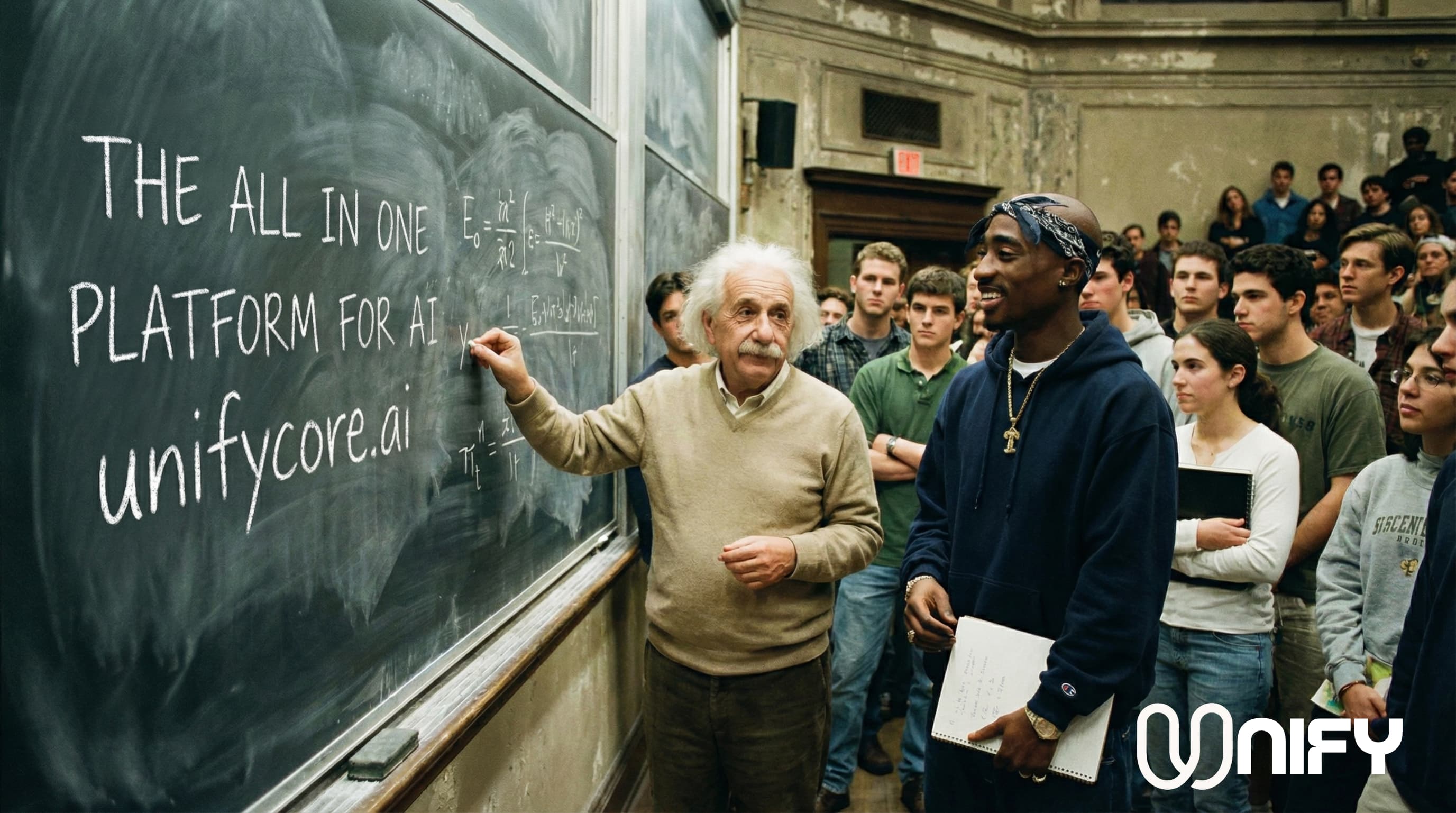
Cinematic Portrait

A cinematic visual direction for a portrait, balancing recognizable art direction with prompt-ready production details. Use it for free on Unify.

Use it Free
Cinematic Portrait guide

Key strengths

  • cinematic composition
  • Purpose-built portrait framing
  • Controlled lighting and color palette

Limitations and review points

  • Human review is required for consequential outputs.
  • Results depend on source quality and prompt specificity.

Building a Cinematic Portrait workflow

The cinematic direction works best for a portrait when the prompt describes composition, lens or viewpoint, material behavior, lighting, and the intended emotional response instead of relying on the style label alone.

How to evaluate Cinematic Portrait results

Keep the subject and hierarchy specific to the portrait. Generate controlled variations, compare edge detail and visual consistency, then refine the strongest cinematic result rather than changing every prompt variable at once.
Comparison table

CriteriaPrimary
Guide typeVisual style
WorkflowCinematic Portrait
Recommended modelsNanobanana Pro, GPT Image 2, GPT Image, Grok Imagine

Prompt examples

Style prompt

Create a cinematic portrait of [subject]. Use intentional composition, coherent lighting, precise materials, and a polished commercial finish. Avoid visual clutter and unreadable details.

Frequently asked questions

What is Cinematic Portrait?

A cinematic visual direction for a portrait, balancing recognizable art direction with prompt-ready production details.

What should I evaluate before using Cinematic Portrait?

Human review is required for consequential outputs. Results depend on source quality and prompt specificity.

Can I compare models for this workflow?

Yes. Use the comparison links on this page and test identical inputs before selecting a model.

Related pages

Put this guide into practice for free

Compare leading AI models and build the workflow in one workspace.

Start Free